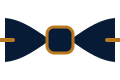
A sensible first purchase
For a first bow tie, choose a medium-width butterfly shape in a colour you already wear. Navy, burgundy, deep green and textured black are versatile because they work with white, pale blue and many subtle patterned shirts. A fabric with a little texture is often easier to coordinate than a very shiny surface.
A self-tie bow tie gives the most natural result and can be adjusted to your proportions. A well-made pre-tied bow tie is useful when speed, consistency or dexterity matters. Neither option is automatically “better”; the better choice is the one you will wear comfortably and correctly.
The four decisions that matter most
| Decision | Good starting point | Common mistake |
|---|---|---|
| Occasion | Match the formality of the event before thinking about colour. | Choosing a novelty pattern for a strict black-tie event. |
| Proportion | Keep the finished bow close to the width of your face and collar spread. | Buying an oversized bow because it looked impressive in a product photo. |
| Contrast | Make sure the tie is visible against the shirt. | Using two similar dark tones that merge from a distance. |
| Texture | Let one texture carry the interest. | Combining a shiny tie, shiny lapels and a highly polished shirt. |
A dependable first outfit
Try a white or pale-blue shirt, a navy or charcoal jacket, and a burgundy, navy or forest-green bow tie. Keep the pocket square simple—white linen or a quiet pattern—and avoid matching it exactly to the bow tie. This creates coordination without looking like a boxed set.
What to learn next
Read the types guide to understand construction, then use the tying guide. Once you can form a stable knot, move to the pairing guides. Style is easier when the technical details are settled first.